Butterfly symbolism in tattoo art
Symbolic meanings of butterflies in tattoo design
A single butterfly flutters across a SA skyline, and I hear the tale that follows as tattoo ink on skin. In design, the motif signals more than beauty—it marks resilience, renewal, and the courage to begin again. ‘Transformation isn’t escape; it’s a vow to live louder,’ notes a Pretoria artist.
- Freedom and resilience
- Renewal and metamorphosis
- Memory, fragility, and enduring beauty
Let this winged emblem guide your next piece—an emblem of growth that travels with you through every South African sunrise.
Colors and what they signify
“Color speaks louder than lines,” says a Pretoria artist, guiding the eye through butterfly and tattoo imagery. In ink, hues signal stories beyond form—blue for renewal, sable for grit, gold for memory. The palette isn’t decoration; it is a compass for the journey that the wearer carries.
- Blue — calm, transformation, and a steady breath
- Yellow — hopeful energy and sunny resilience
- Red — passion, courage, and a bold leap
- Black — resilience, rebirth, and guarded memories
- White — purity, clarity, and new beginnings
- Green — growth, renewal, and nature’s heartbeat
Whether the winged motif mirrors a migration of dreams or a quiet vow, the colors illuminate a personal myth carried through every South African sunrise.
Cultural interpretations of butterfly tattoos
‘A butterfly tattoo is permission to reinvent yourself,’ declares a Cape Town artist, and the line lands like a well-timed quip at a serious dinner. Across cultures, this motif is a pact inked on skin—a conversation starter rather than mere ornament. In South Africa, the butterfly becomes a portable map, guiding the wearer through moments of change with a bright, stubborn optimism.
- Personal reinvention after hardship
- Commemoration of a departed loved one
- Rite of passage or a new life phase
- Connection to land and natural heritage
From city galleries to rural verandas, the butterfly and tattoo speak in a fluttering dialect of wings and lines. It invites private storytelling without sermonizing—humor, humility, and a dash of audacity included. In South Africa, this motif travels with the wearer, turning ink into a passport for the next chapter.
Popular butterfly tattoo designs
Monarch butterfly tattoos
Across South Africa’s tattoo studios, the monarch motif keeps fluttering back to parlor walls like a pulse that won’t quit. Statistically, monarch motifs rose by about 40% in South African studios last year. The butterfly and tattoo pairing feels less ornamental than existential—an emblem of change pressed into living skin. Monarch butterfly tattoos, with bold contours and bright juxtapositions of orange, black, and white, invite the eye to chase motion, even in stillness. I meet clients seeking a personal weather vane, a reminder that growth is ongoing and stubborn as a hinge that won’t loosen.
- Linework monarchs with crisp outlines for contrast.
- Watercolor monarchs in orange washes.
- Geometric monarchs with faceted wings.
Across South Africa, forearms and ankles carry transformation, where monarch pieces meet time with quiet resolve. Flutter becomes a conversation—line and shade shaping memory rather than decoration.
Watercolor butterfly tattoos
South African studios are buzzing with a new wingbeat: watercolor butterfly tattoos. The style blends soft edges with vibrant splashes, turning skin into a living canvas. For many clients, butterfly and tattoo isn’t mere decoration; it’s a memory pressed into motion, a quiet renewal inked in color.
Watercolor butterfly tattoos rely on translucent washes, feathered edges, and deliberate color bleed to evoke air and flight. They suit places where light can travel—wrists, shoulders, or along the collarbone—allowing the eye to follow the shimmer of wing in slow, human tempo.
Popular directions include:
- Soft, bleeding color washes that resemble watercolor paper
- Delicate line work to anchor the silhouette
- Bold accents to punctuate movement
In South Africa, these choices echo the outdoors—bright, breathable, and full of memory.
Silhouette and line work butterfly designs
In SA, silhouette and line-work butterfly designs have surged 28% this year—a quiet, almost supernatural urgency sweeping studios. Silhouette work relies on bold shapes and clean edges, capturing the butterfly’s form without clutter. It’s ideal for wrists, ankles, or along the collarbone, where a single silhouette can speak volumes!
This momentum threads into the broader butterfly and tattoo conversation across the country. Line work butterfly designs trade heavy ink for precision: slender strokes trace wing veins and arcs, letting movement ride on negative space rather than saturated color. The result is a breathable, timeless look that ages gracefully with sun and time, a quiet metamorphosis etched in clean lines.
- Silhouette: bold shapes with minimal detail
- Line work: delicate strokes building movement through negative space
Realistic butterfly tattoos
In the hush of a studio, butterfly and tattoo motifs flutter into lasting stories. Designs favor motion and restraint—bold silhouettes, crisp line work, and skin that reads like a living gallery. I’ve seen a single wing catch the light and change a client’s mood in seconds.
Here are popular directions designers in SA are embracing today:
- Geometric silhouettes with crisp wing geometry
- Micro-detail lines that read like lace on the skin
- Blackwork and negative space for bold drama
- Subtle color blocking that preserves light
Realistic butterfly tattoos demand a patient hand and a sculptor’s eye. Realism rests on tight shading, careful venation, and a touch of iridescence that shifts with the light. For many in South Africa, this form turns a moment into memory—a butterfly and tattoo you wear as if forever pinned to the heart!
Choosing placement and size for butterfly tattoos
Best placements for visibility vs. discretion
In South Africa’s vibrant tattoo scene, 68% of first-timers opt for placements that balance visibility with discretion. Choosing placement and size for butterfly and tattoo becomes a quiet negotiation between impulse and practicality; a well-sized design can flutter into daily life without shouting.
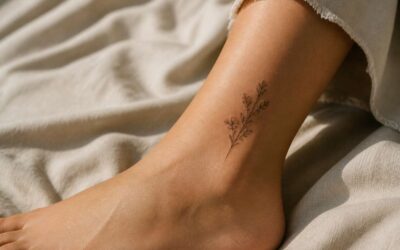
Best placements favor rhythm with your daily routine: the forearm or wrist offers steady visibility; the shoulder blade or upper back affords a graceful, private reveal; the ribs or ankle carry a personal whisper rather than a shout. For size, crisp silhouettes read cleanly at small scales, while mid-sized works maintain detail without overpowering the canvas of your body.
- Wrist or forearm for constant visibility in casual settings
- Shoulder blade or upper back for a discreet, elegant display
- Ribcage or ankle for a more intimate, personal placement
Sizing considerations for detail work
Choosing placement and size for butterfly and tattoo designs is a quiet negotiation between impulse and practicality. The winged motif can drift into daily life without shouting, delivering a balance between visibility and privacy. Crisp silhouettes read cleanly at small scales, while mid-sized forms keep delicate details alive on the body’s canvas.
Detail work demands careful sizing: tiny lines can blur, shading can wash out, and fine textures may lose bite with movement. A scale that preserves legibility and character matters, even after years of wear.
- Micro-scale: crisp lines, minimal fill
- Mid-scale: preserves shading and feather texture
- Bold-scale: strong silhouette, high legibility
Every choice echoes life behind the skin—the light, the sun, and the way movement shapes forms. In South Africa, climate and skin tone influence how the artwork ages and speaks.
Cost and time estimates by placement
Choosing where to place a butterfly and tattoo is a quiet negotiation between impulse and practicality. The right placement slows the eye and keeps the design wearable in daily life. A forearm piece reads at a glance, while a ribcage tattoo invites closer inspection. Size matters: tiny lines blur, large silhouettes can shout. The butterfly and tattoo you want should stay legible as life moves.
Cost and time estimates by placement:
- Wrist and inner forearm: small design, R1,500–2,800, about 1–2 hours
- Forearm to upper arm: mid-size, R3,000–6,000, 2–4 hours
- Shoulder blade or upper back: larger piece, R5,000–12,000, 5–9 hours
- Collarbone or behind the ear: delicate line work, R2,000–4,000, 1–3 hours
Tattoo artists and design collaboration
Finding an artist who specializes in nature motifs
South Africa’s tattoo studios pulse with a curious energy: 68% of clients chasing butterfly-inspired ink want to shape the piece through collaboration, not a template. The butterfly and tattoo journey blends psychology with aesthetics, a private ritual whispered through line and shade. When minds converge, wings become a living myth inked on skin.
Finding an artist who specializes in nature motifs begins with a concise portfolio review and a conversation about story and scale. Seek patience, ecological sensitivity, and a willingness to translate living forms into durable line work and nuanced colorplay.
- Portfolio review focused on nature motifs
- Open to collaborative design and storytelling
- Willing to adapt for placement and scale
From there, a short consult should align pacing and vision; a true collaborator sketches freely, invites critique, and treats the butterfly as a living idea.
Bringing reference images and sketches to a session
68% of clients chasing butterfly-inspired ink want to shape the piece through collaboration, and that energy is redefining South Africa’s tattoo studios. The butterfly and tattoo journey fuses psychology with art, turning a private ritual into a living myth inked on skin.
Bringing reference images and sketches to a session becomes the compass for design. In South Africa, you’ll find artists who listen intently, translate living forms into durable line work, and hold space for mood, scale, and placement.
- Reference images and mood boards
- Sketches—gestural studies or detailed preferences
- Notes on placement, size, and color palette
During the consult, a true collaborator sketches freely, invites critique, and treats the butterfly as a living idea. The result is a tattoo that evolves with the body, balancing visceral detail with graceful restraint.
Collaborating on color palettes and shading
In South Africa, 70% of clients chasing butterfly ink insist on color and tone co-creation with their artist, turning private ritual into a shared spell. The butterfly and tattoo journey becomes a living myth inked on skin, where mood and meaning fuse in the chorus of a studio’s hum.
Designers in South Africa listen intently, weaving color palettes and shading into a single breath. They translate a butterfly’s tremor into durable gradients, balancing transparency with gravity so the piece ages with you.
- Palette proposals aligned with mood
- Skin-tone shading tests
- Layering light for movement
The result is a collaboration where the butterfly and tattoo co-exist as living ideas on skin. In our studios, artists invite critique and honor placement, letting shading and color shift with the body’s contours rather than force the moment.
Custom vs. flash designs
In South Africa, two-thirds of butterfly and tattoo projects begin with a conversation rather than a stencil, turning private stories into shared ritual. That approach keeps skin alive with mood, meaning, and memory.
Tattoo artists thrive on collaboration, translating a client’s vision into lines and shading. Custom designs grow from references, temperament, and anatomy, while flash sheets offer proven silhouettes that respect time and budget.
- Custom designs: tailored to your body and personal narrative.
- Flash designs: quick, cohesive options on familiar motifs.
- Hybrid approach: combine a flash base with bespoke tweaks for uniqueness.
In studios across the country, the result is a piece that ages with you—dynamic, respectful of contours, and proudly grounded in South African craft.
Aftercare and longevity for butterfly tattoos
Immediate aftercare steps after getting a butterfly tattoo
Woven into skin, a butterfly tattoo whispers of wings and wind; in the first 24 hours, the body becomes a quiet stage where color seeks its home. Aftercare is not a chore but a spell of preservation—keeping the line work vivid for years to come.
Immediate aftercare steps follow the studio’s ritual, but in essence they are gentle and disciplined:
- Let the skin breathe and avoid friction during the first days.
- Choose fragrance-free moisturisers to support the surface without crowding the pigment.
- Shield the area from harsh sun and salt water as the color settles.
- Resist the urge to pick and let scabs fall naturally.
Over time, longevity hinges on mindful sun exposure, consistent moisture, and the occasional touch-up to reawaken faded edges. In South Africa’s bright light, sunscreen and protective clothing become guardians of the butterfly and tattoo, keeping hues radiant as a legend told in color.
Common healing myths about butterfly tattoos
Patience is the pigment’s best ally, and in South Africa’s sun-washed light that wisdom shines bright. Aftercare and longevity hinge on gentle stewardship: let the skin breathe, keep the surface moisturised with fragrance-free products, and shield the area from harsh sun while the color settles. A butterfly and tattoo deserves this quiet ritual—an ongoing dialogue between skin, pigment, and time.
Common healing myths drift through studios—here are the most widespread, debunked in the light of experience.
- Myth: Itching means infection; it’s often normal healing.
- Myth: Moisturising ruins colour; use fragrance-free products only.
- Myth: Sun exposure is harmless after healing; UV hurts color.
With mindful aftercare, longevity blossoms and the design remains legible for years.
Maintaining color and vibrancy over time
A butterfly and tattoo isn’t finished the moment the needle leaves the skin; it’s a living dialogue that asks for patience and quiet attention. In South Africa’s sun-drenched light, the color ages with grace when the skin is allowed to breathe and rest.
Longevity returns to quiet rituals more than bold interventions—skin and pigment maturing together, a patient agreement rather than a demand. When the surface rests, and sun is kept at bay, the color’s conversation continues with clarity.
Time will tell the tale: the design remains legible, not a loud flourish but a quiet, enduring note in skin’s memoir.

0 Comments